
Managing your money effectively often begins with a solid plan. A lot of folks want to save more, cut down on debt, or build wealth for the future, but they often find themselves struggling because their finances are a bit chaotic. Without a clear structure in place, it can be tough to keep track of your progress or make smart financial choices.
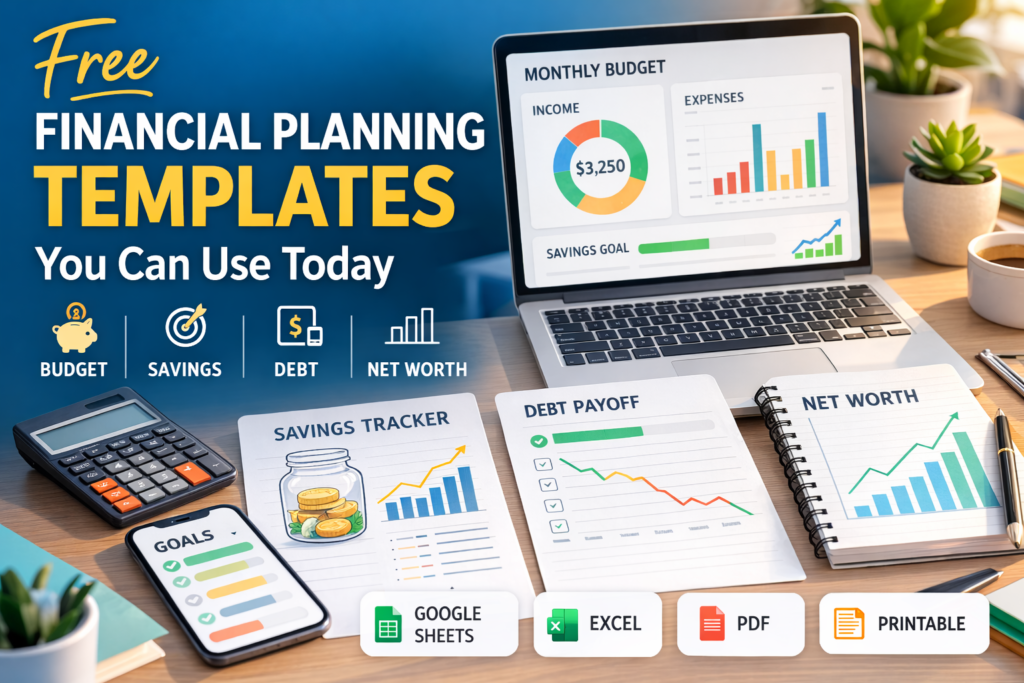
That’s where financial planning templates come into play. These handy tools help you organize your income, expenses, savings goals, and financial priorities all in one spot. Instead of playing a guessing game with your monthly spending, a well-structured template lets you see your finances clearly, enabling you to make wiser decisions. Financial planning templates are particularly beneficial for beginners since they break down complex financial ideas into straightforward, easy-to-follow formats. Whether you’re setting up a monthly budget, keeping tabs on your savings goals, or crafting a long-term investment strategy, the right template can help you stay on track and organized.
In this guide, we’ll dive into various types of free financial planning templates that you can start using right away to enhance your financial management.
Why Financial Planning Templates Are Useful
Many people tend to rely on rough estimates when it comes to managing their money. They might think they have a good grasp on how much they spend or save each month, but without any written records, those assumptions can often be way off.
Financial templates tackle this issue by providing a structured way to track your financial activities. When you document your income, expenses, and savings goals, it becomes much easier to understand your financial habits and pinpoint areas that need improvement.
Another perk is the sense of accountability. By regularly recording your financial decisions, you become more conscious of your spending patterns. This heightened awareness can lead to better discipline and help you avoid unnecessary expenses.
Templates also give you the ability to monitor your long-term progress. For instance, if you’re working towards a savings goal, you can easily track how much you’ve saved each month. Over time, watching that progress can be incredibly motivating.
While there are many financial apps available today, templates remain popular because they offer flexibility and full control over your data.
Monthly Budget Template
A monthly budget template is one of the most crucial tools for financial planning. It gives you a clear snapshot of your income and expenses, making it easier to see where your money is going each month.
Typically, a budget template will have categories like housing, transportation, groceries, entertainment, and savings. By laying these out next to your monthly income, you can figure out how much you have left after taking care of the essentials.
These templates are especially useful for spotting spending habits. Many people are surprised to find that those little recurring expenses can really add up over time.
Adopting a structured budgeting method is often the first step toward achieving better financial stability. If you’re on the lookout for tools that can help you track your spending automatically, you might want to check out our guide on the best free budgeting tools. We review several platforms that are designed to make personal budgeting a breeze.
Using a mix of digital budgeting tools and manual templates can give you a well-rounded view of your financial health.
Savings Goal Tracker Template
Saving money regularly can be a challenge without a clear target in mind. A savings goal tracker template helps you set financial goals and keep tabs on your progress over time.
These templates usually feature a goal amount, a timeline, and a log of your monthly contributions. As you add deposits, the tracker visually illustrates how close you are to hitting your target. This kind of template is particularly handy for goals like building an emergency fund, saving for a vacation, or preparing for a big purchase. One of the great psychological perks of using a savings tracker is that it turns an abstract goal into something real. Watching your progress can provide that positive reinforcement that keeps you motivated to save.
Many people find that once they start tracking their savings regularly, it becomes much easier to stick to their financial goals.
Debt Payoff Tracker Template
Managing debt can often feel like a daunting challenge, especially when you’re juggling multiple balances, interest rates, and monthly payments without a solid plan in place. That’s where a debt payoff tracker template comes in handy. It neatly organizes all your debt obligations in one spot, making it easier to keep an eye on your balances, payment schedules, and your journey toward being debt-free.
Many of these templates even incorporate popular repayment strategies, like the snowball method, which encourages you to tackle smaller debts first, or the avalanche method, where you focus on paying off the debts with the highest interest rates first. Seeing your debt payments visually can be incredibly motivating. Each payment you make chips away at the total balance, bringing you one step closer to financial freedom.
Plus, tracking your debt can really shed light on how interest impacts your long-term borrowing costs. If you’re curious about how interest builds up over time, check out our article on using compound interest calculators to plan for long-term wealth. It explains how these financial tools can help you visualize interest growth and your financial future.
Net Worth Tracker Template
While budgeting is all about managing your monthly cash flow, a net worth tracker gives you a wider perspective on your overall financial health.
Your net worth is simply the difference between what you own and what you owe. Your assets might include savings accounts, investments, real estate, or other valuable items, while your liabilities cover loans, credit card debts, and other obligations. By regularly updating this template, you can track how your financial situation evolves over time. As your assets grow and your debts shrink, your net worth will increase. Keeping tabs on your net worth encourages a shift in your financial mindset—from short-term spending to long-term wealth building. Instead of just focusing on monthly income and expenses, you start to assess your financial decisions based on their impact on your overall wealth.
Over time, this shift in perspective can lead to smarter financial choices and a stronger commitment to long-term discipline.
Investment Tracking Template
As people dive into the world of investing, keeping tabs on various assets becomes crucial. An investment tracking template is a handy tool that helps investors keep an eye on their portfolios and assess how different asset types are performing.
Typically, this template might include details like purchase price, current value, percentage returns, and asset allocation. Manually tracking investments can really boost your awareness of how market fluctuations impact your portfolio’s value, helping you stay focused on your long-term goals. If you’re curious about digital tools that can streamline this process, check out our guide on the best investment tracking apps for beginners. It highlights several platforms designed to help investors manage their portfolios with ease.
By combining automated tracking apps with manual templates, you can gain a more comprehensive understanding of your investment performance.
Why Templates Still Matter in the Digital Age
In a time when financial apps and automation tools are everywhere, some folks might question the need for templates.
The truth is, templates are still incredibly useful because they promote active engagement with your finances. When you take the time to manually record your financial data, you often gain a deeper understanding of your financial situation. Plus, templates offer a level of customization that many apps simply can’t match. You can tweak categories, set goals, and create tracking systems that fit your unique financial circumstances.
For instance, someone aiming for aggressive savings might craft a template focused on investment contributions, while another person dealing with debt might prioritize tracking their loans. This adaptability allows templates to cater to various financial strategies and lifestyles.
How to Choose the Right Financial Template
Choosing the right financial template can really hinge on what your current financial goals are.
If you’re looking to get a handle on your spending, starting with a monthly budget template might be your best bet. On the other hand, if saving money is your focus, a savings tracker can really help keep you motivated and organized. For those tackling debt, a debt payoff tracker could be a game changer, while long-term investors might find portfolio tracking templates more suited to their needs.
Often, the best strategy is to mix and match a few templates. A budget template can help you manage your spending, a savings tracker can keep tabs on your progress toward your financial goals, and a net worth tracker can give you a clear picture of your overall wealth growth.
When used together, these tools create a solid framework for handling personal finances.
Final Thoughts
Financial planning doesn’t have to be a headache. Sometimes, the simplest tools can make the biggest difference. Financial planning templates offer a structured way to manage your money, track your progress, and cultivate better financial habits.
Whether your aim is to cut down on debt, boost your savings, or grow your investments, the right template can transform your financial aspirations into actionable steps. By pairing these templates with modern financial tools like budgeting apps, investment trackers, and financial calculators, you can create a more organized and confident approach to managing your finances.
Over time, this structure can enhance your financial awareness, strengthen your discipline, and pave the way for greater long-term financial stability.
Pingback: How Budgeting Apps Improve Your Spending Habits