
Your credit score is a key player in your financial journey, even if it’s not something you think about every single day. Whether you’re looking to get a credit card, secure a loan, finance a car, or rent an apartment, your credit score can sway the decisions made by financial institutions regarding you.
For many folks, though, credit scores can feel like a bit of a puzzle. They might understand that a higher score is preferable, but the ins and outs of how that score is calculated, how it evolves over time, and how to keep an eye on it can be quite confusing.
That’s where credit score monitoring tools come into play. These handy tools let you keep tabs on your credit score, send you alerts about any changes in your credit reports, and help you spot potential issues before they escalate into serious financial headaches.
In this guide, we’ll dive into why monitoring your credit score is so important and take a look at some of the top tools out there to help you stay on top of your financial health.
Why Your Credit Score Is So Important
Think of your credit score as a numerical snapshot of your creditworthiness. It shows how responsibly you’ve managed borrowed money in the past and helps lenders gauge the risk of lending to you.
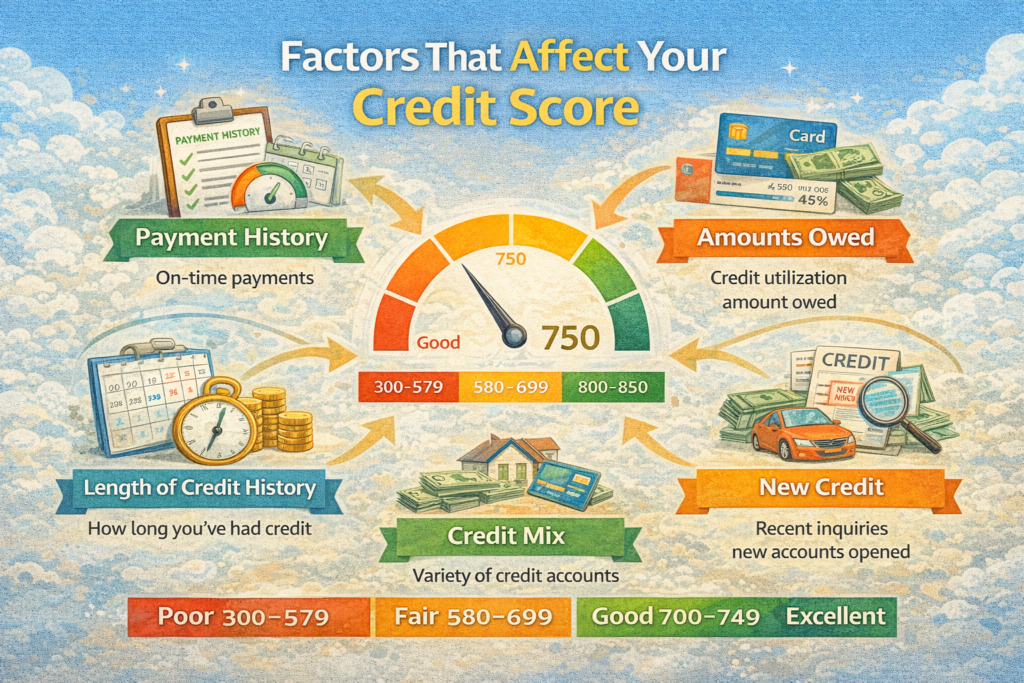
Credit scores are usually calculated based on details from your credit report, such as your payment history, the amount of debt you have, how long you’ve had credit, and the types of credit accounts you hold.
Lenders rely on this score to determine whether to approve your applications for loans, credit cards, and other financial products. Often, your credit score also plays a role in the interest rate you’re offered.
Even a slight difference in interest rates can lead to significant savings over the long haul. For instance, someone with a higher credit score might snag lower mortgage or loan rates, potentially saving thousands of dollars over time.
That’s why keeping an eye on your credit score regularly can help you catch issues early and take action to boost your financial standing.
How Credit Score Monitoring Works
Credit score monitoring tools link up with one or more credit bureaus to keep an eye on changes in your credit profile.
Whenever something new pops up on your credit report—like a new credit inquiry, an account being opened, or a missed payment—the monitoring service sends you a notification.
These alerts give you a chance to act quickly if any issues arise. In some cases, they can even help you spot fraudulent activity if someone tries to open credit accounts in your name.
Most credit monitoring platforms also offer insights into what’s affecting your score. For instance, they might indicate if your credit utilization is too high or if your payment history is hurting your rating.
This kind of feedback can empower users to make smarter financial choices and gradually enhance their credit profiles.
Credit Karma
One of the most popular credit monitoring tools out there is Credit Karma. This platform gives you free access to credit scores and reports from major credit bureaus.
Users can log into their dashboard to check updates on their credit score, get alerts when something changes in their credit profile, and find suggestions for boosting their score.
One of the standout features of Credit Karma is its user-friendly interface. Even those who are just starting to navigate personal finance can easily grasp how their credit score is shifting and why.
The platform also offers educational resources that break down credit-related concepts like credit utilization, payment history, and credit inquiries.
For beginners looking to keep tabs on their credit score without shelling out for a subscription service, Credit Karma is often seen as one of the best places to start.
Experian
Experian is one of the leading credit bureaus, and it offers its own credit monitoring services to help you keep tabs on your financial health.
With the Experian platform, you can easily check your credit score, track any changes in your credit report, and get alerts if there’s any suspicious activity.
One of the great things about Experian is that the information comes straight from a major credit bureau, giving you trustworthy insights into your credit profile.
The platform also provides handy tools that guide you on how to boost your score, like keeping your credit utilization low or consistently making on-time payments.
While some of the more advanced features do require a subscription, there are plenty of basic monitoring tools available for free.
Credit Sesame
Another well-known credit monitoring option is Credit Sesame. Similar to Credit Karma, it offers free credit score monitoring along with valuable financial insights.
Credit Sesame really emphasizes helping users track their financial journey over time. The platform illustrates how changes in your credit habits can impact your borrowing options in the future.
It also gives personalized tips for improving your credit score, such as reducing credit card balances or diversifying your credit accounts.
For those looking for ongoing support in enhancing their credit health, Credit Sesame can be a great tool to have by your side.
myFICO
myFICO is a popular credit monitoring service that stands out because it gives you access to FICO scores—those all-important numbers that lenders often rely on when deciding whether to approve your loan applications.
While there are other credit monitoring tools out there that might show different scoring models, myFICO zeroes in on the scoring system that’s most commonly used in real-life lending situations.
This focus makes it especially handy for anyone gearing up for significant financial milestones, like applying for a mortgage or a car loan.
Even though myFICO usually comes with a price tag, it offers in-depth credit reports and various score versions that different lenders might use.
For those who want a clear and accurate picture of their credit profile, myFICO is one of the most thorough monitoring options available.
Benefits of Monitoring Your Credit Score
Using a credit monitoring tool comes with a bunch of perks that go beyond just checking your score.
First off, it helps you become more financially aware. Many folks only glance at their credit scores when they’re about to apply for credit, but keeping an eye on your score regularly lets you see how it changes over time.
Secondly, these monitoring services can alert you to potential fraud right away. If someone tries to open an account in your name, you could get a notification almost instantly.
Lastly, these tools often provide valuable insights that break down what affects your credit score. By grasping these factors, you can work on improving your financial habits step by step.
For instance, consistently paying your bills on time and keeping your credit card balances low can really boost your credit scores over time.
How Credit Scores Fit Into Your Overall Financial Strategy
Credit scores are just one piece of the larger financial puzzle, but they hold significant weight in your long-term financial planning.
By managing debt wisely, keeping up with payments, and regularly checking your credit profile, you can build a solid financial foundation.
Many folks find it helpful to pair credit monitoring tools with other financial resources, like budgeting apps and financial calculators.
For instance, budgeting tools can help you keep your spending in check and pay down debt, while financial calculators can give you a clearer picture of loan payments and interest costs.
If you’re interested in tools that can help you analyze your long-term financial growth, you might want to check out our guide on using compound interest calculators for planning wealth. We break down how you can project investment growth over time.
By blending credit awareness with budgeting and investment strategies, you can create a more comprehensive and resilient financial plan.
Final Thoughts
Credit scores impact various aspects of personal finance, from getting loans to determining interest rates and financial opportunities. Despite their significance, many people overlook regular credit monitoring or don’t fully grasp how it works.
Credit score monitoring tools simplify this process by offering real-time insights into your credit profile and notifying you of important changes.
Whether you opt for free services like Credit Karma or more sophisticated tools like myFICO, keeping an eye on your credit score can help you stay informed, guard against fraud, and enhance your financial habits over time.
Ultimately, understanding and managing your credit profile is a crucial step toward achieving greater financial stability and unlocking more opportunities.