
Introduction
Credit cards can be incredibly handy financial tools, but they come with more than just interest rates to consider. Many folks get caught up in the allure of rewards and promotional offers, often overlooking the sneaky fees that can quietly add to the cost of using a card. Even if you’re diligent about paying off your balance, certain charges might still apply based on how you use your card.
Getting a grip on credit card fees is essential for avoiding nasty surprises, managing your finances better, and picking financial products that suit your lifestyle. These fees aren’t random; they’re part of how credit cards function. Knowing which fees you can dodge and which ones depend on your card type can really make a difference in the long run.
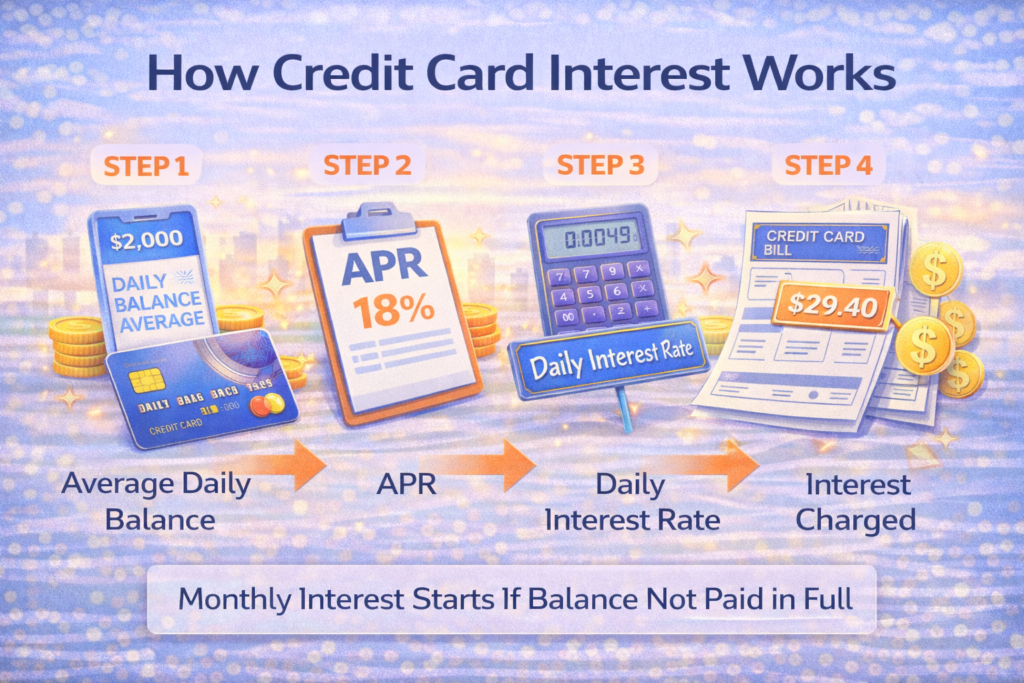
Since fees often work hand-in-hand with interest to shape the total cost of borrowing, it’s also wise to understand how credit card interest operates.
Annual Fees
An annual fee is a charge you incur each year just for having the card. Not every card has this fee, but it’s pretty common with rewards and travel credit cards.
Cards that come with annual fees often offer extra perks like:
- Higher reward earning rates
- Travel insurance protections
- Access to airport lounges
- Travel statement credits
These benefits can be quite valuable if you use them regularly. However, if you’re not a frequent traveler or don’t fully utilize the rewards, you might find yourself paying for perks that don’t really benefit you.
Figuring out whether the rewards actually balance out the fee is crucial when you’re comparing different reward systems.
For someone who values simplicity and consistent everyday spending, a card with no annual fee might be a better fit.
Late Payment Fees
Late payment fees kick in when you miss your payment due date. Even if you’re just one day late, you could still face a fee.
On top of the fee itself, late payments can also:
- Void promotional APR offers
- Impact your credit profile
- Raise your interest rate
If you’re taking advantage of a promotional interest offer and happen to miss a payment, you could lose that perk and start seeing interest charges right away. Check our post about 0% APR Credit Card Offer.
That’s why setting up automatic payments or reminders is crucial to steer clear of those pesky penalties.
Foreign Transaction Fees
When you use your card abroad or shop with international merchants, foreign transaction fees kick in. This fee is typically a percentage of each purchase.
For those who often travel, these fees can really add up. Luckily, many travel-oriented credit cards waive this fee, which can lead to significant savings over time.
So, when you’re picking a travel card, don’t overlook foreign transaction fees — they’re just as important as the rewards or perks you might be eyeing.
Balance Transfer Fees
Balance transfer fees come into play when you shift debt from one credit card to another. Usually, this fee is a percentage of the amount you’re transferring.
For example, if you transfer $5,000 and the fee is 3%, you’ll be looking at a $150 charge right off the bat. While balance transfers can help lower interest costs, it’s essential to factor in that fee when doing your math.
This is especially crucial if you’re using a balance transfer strategy to tackle your debt.
Grasping both the promotional rate and the transfer fee is key to figuring out if the move will actually save you money.
Cash Advance Fees
Cash advances let you pull out cash using your credit card, but they tend to be one of the priciest ways to borrow money.
Advances usually come with:
- An upfront transaction fee
- Higher interest rates
- No grace period
Unlike regular purchases that might have a grace period, interest on cash advances kicks in right away. This makes them quite costly, so it’s best to reserve them for emergencies only.
Over-Limit Fees
Some credit cards impose fees if you go over your credit limit. Even if there’s no fee, exceeding your limit can hurt your credit utilization ratio, which is a key component of your credit profile.
Staying within your credit limit supports both your financial health and your credit standing.
Returned Payment Fees
If a scheduled payment gets rejected because of insufficient funds, you might face a returned payment fee. This can happen even if you genuinely meant to pay on time.
To avoid this hassle, it’s a good idea to double-check your bank balance before any payments are processed.
How Fees Add Up Over Time
While individual fees might seem small, they can really pile up over time. Annual fees, foreign transaction fees, and the occasional late charge can chip away at the overall value of your rewards.
Even if you dodge interest by paying off your balance in full, those pesky fees can still hike up your total costs. Grasping how both interest and fees play into your expenses gives you a clearer view of just how costly a card can be.
Choosing the Right Card With Fees in Mind
When picking a credit card, consider how you actually spend your money:
- Do you travel abroad often?
- Do you usually carry a balance?
- Do you like straightforward rewards?
If you’re managing debt, you might want to focus on balance transfer options. A frequent flyer may want to avoid foreign transaction fees. And if simplicity is your thing, a no-annual-fee cash back card could be the way to go.
Aligning the card’s fee structure with your lifestyle can help you steer clear of unnecessary costs.
The Psychology of Fees
Fees often slip under the radar since they’re not part of your daily purchases. They pop up now and then and can seem minor, but their long-term effects can be quite significant.
Being aware of how and when these fees hit can make you a more savvy cardholder and help ease financial stress.
Final Thoughts
Credit card fees are just part of how lenders do business, but many of them can be avoided with smart usage. Annual fees, late charges, and transaction fees can quietly inflate the cost of using credit.
Understanding these fees — and how they relate to interest rates, promotional offers, and balance transfer strategies — empowers you to make better financial choices. Credit cards are tools, and knowing their costs ensures they work for you, not against you.